Traveling to Denmark is the kind of trip that sneaks under your skin and stays there. A tidy country stitched together by water, cycle lanes, cinnamon, stories. It’s an easy hop from much of Europe and a reasonable flight from the United States, but the shift in tempo feels bigger than miles. Copenhagen pulls you in first - canals like polished ribbons, parks that invite unhurried picnics, crisp architecture that makes you want to straighten your shoulders. You can spend a whole day wandering and still feel like you just skimmed the surface, which is a nice problem to have.
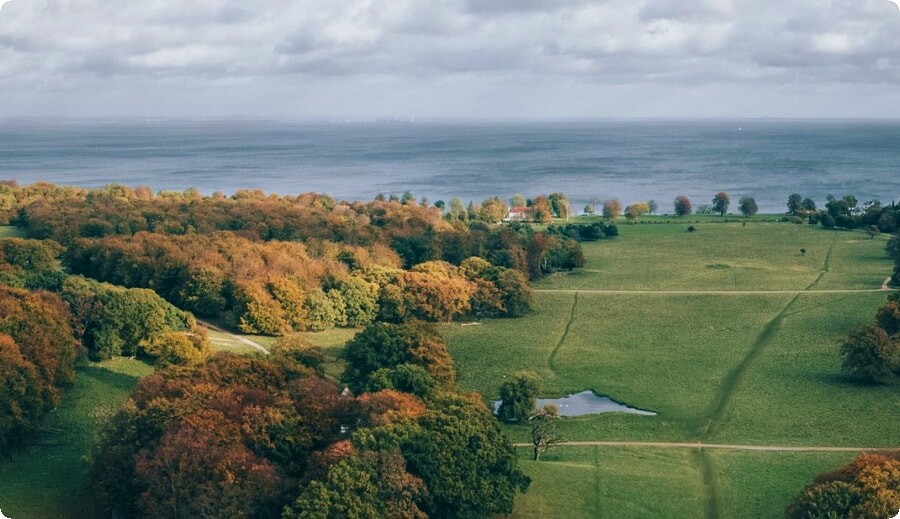
Copenhagen
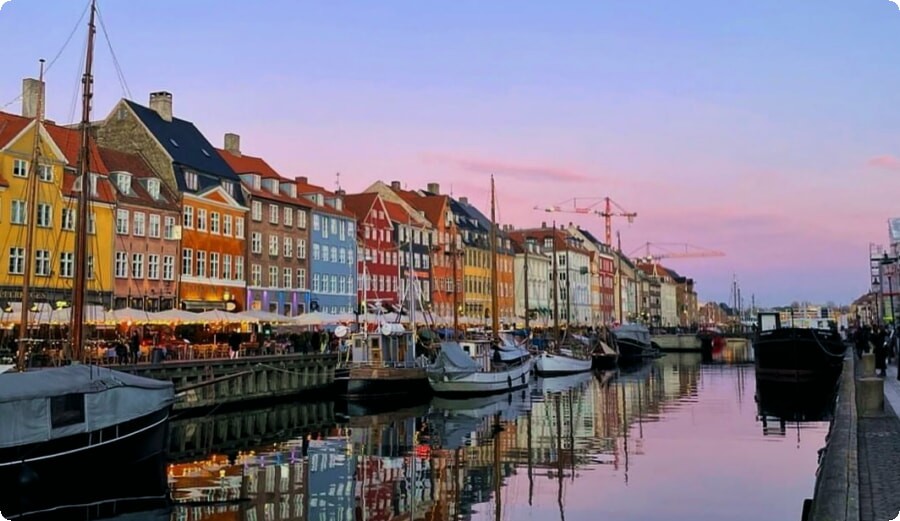
Copenhagen is the city that taught many of us to love the everyday. Not the blockbuster stuff - the cup of coffee on a bench where the canal blinks back at you, the bike bell that sounds like a small silver laugh, the way evening light turns bricks the color of toasted rye. Yes it’s a very popular destination, and for good reason. Urban nature is threaded through the center, so within minutes you can go from design-forward galleries to a waterside boardwalk where kids are practicing cannonballs. Architecture here isn’t loud, it’s attentive - the sort that tucks in human needs and still looks sharp in photos.
And then there’s Tivoli Gardens, which isn’t just an amusement park but a memory factory. Strings of bulbs, the whoosh of a coaster, a waltz drifting from somewhere you can’t quite place. Go late and you’ll catch the lanterns floating in the dark like small planets 🎡. If you’re the type who likes to mix city with a breath of sea air, point your day toward the island of Christiansø. It’s pocket-sized but crammed with views - ramparts, gulls, that feeling of being at the edge of a map. Closer to town, Dragør offers a beach day with the bonus of pastel fishermen’s houses and cobbles that ask you to slow down . Another name you’ll hear is Givskud Zoo, where animals from several continents make the word “safari” feel surprising in a Danish sentence.
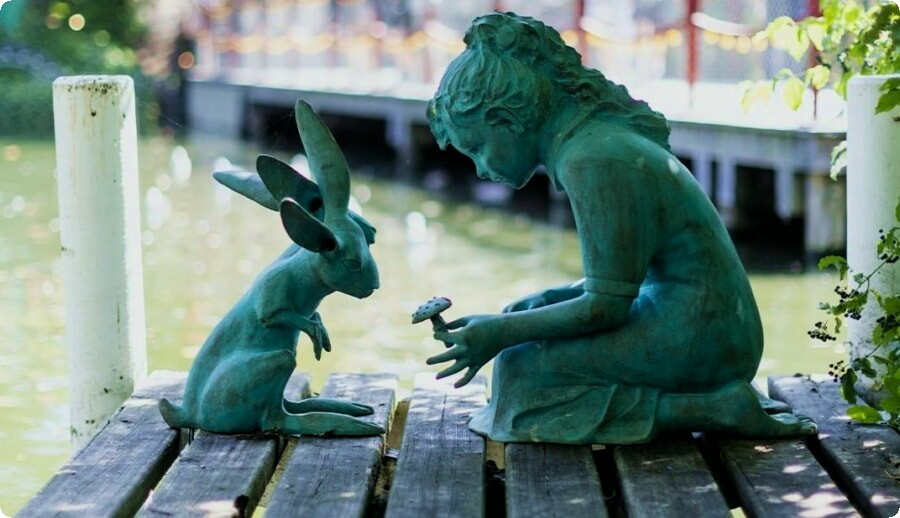
Days in Copenhagen follow a gentle arc. Morning pastries that flake like first snow; coffee that’s precise without being fussy; a ride along the harbor where boats nudge each other like friendly dogs. Noon is for parks - Frederiksberg if you want lawns, the lakes if you like mirror-smooth water and swans. By late afternoon you might be in a courtyard bar sharing smørrebrød and stories with someone who swears there’s a better bakery one street over (there is, probably). In Copenhagen you can plan meticulously or not plan at all - either way the city nudges you along with a soft hand on the shoulder.
Roskilde
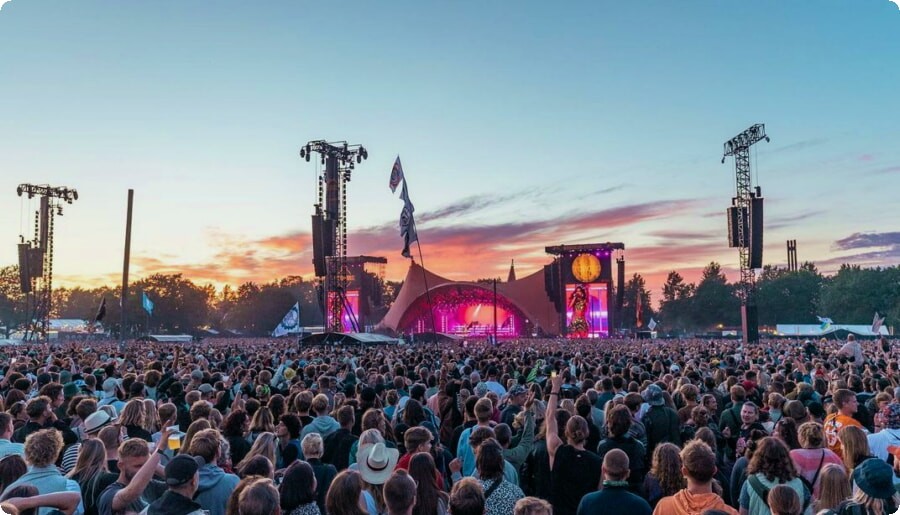
The town of Roskilde sits west of Copenhagen, reachable by a quick train ride that always feels shorter than your snack. Population around forty thousand, but for one glorious stretch in early summer it swells past a hundred thousand - because the Roskilde Festival rolls in. Think muddy boots and glitter, think dusk settling over a sea of tents, think headliners like Metallica or Foo Fighters shaking the field while strangers become friends in the time it takes to sing a chorus 🎶. The exact dates hover around the turn from June into July, and if you’re not a camper, no problem: day tickets are a thing, and the town itself offers quieter pillows.
Roskilde, by the way, has literary echoes. You’ll see mentions of Hans Christian Andersen across Denmark - though he was born in Odense, his shadow wanders everywhere, like a storyteller who never checks out of a good party. If fairytales are Denmark’s soft power, Roskilde’s hard history is wood, tar, and saltwater.
That’s where the Viking Ship Museum comes in - a low, bright building on the fjord where the past is both exhibit and workshop. The air smells faintly of resin. Kids get quiet looking at the long, skeletal ships, and grownups do too; it’s hard not to imagine cold spray over the bow and the thump of oars in a winter sea 🛶. Outside, boatbuilders keep the old methods alive, chipping, bending, stitching with patience that feels older than clocks. A short walk away the UNESCO-listed cathedral rises in brick and history. It’s a timeline in one building - royal tombs, chapels that glow in certain light, a bell that lands in your ribs when it rings.
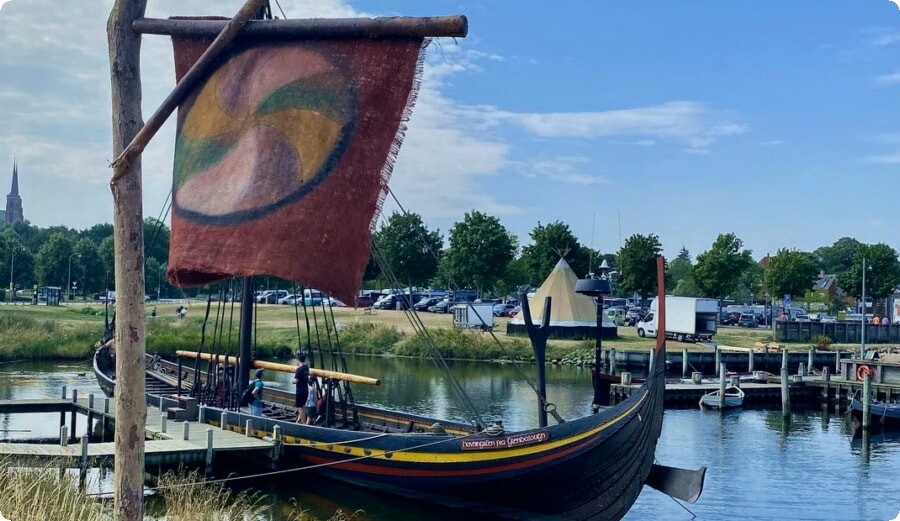
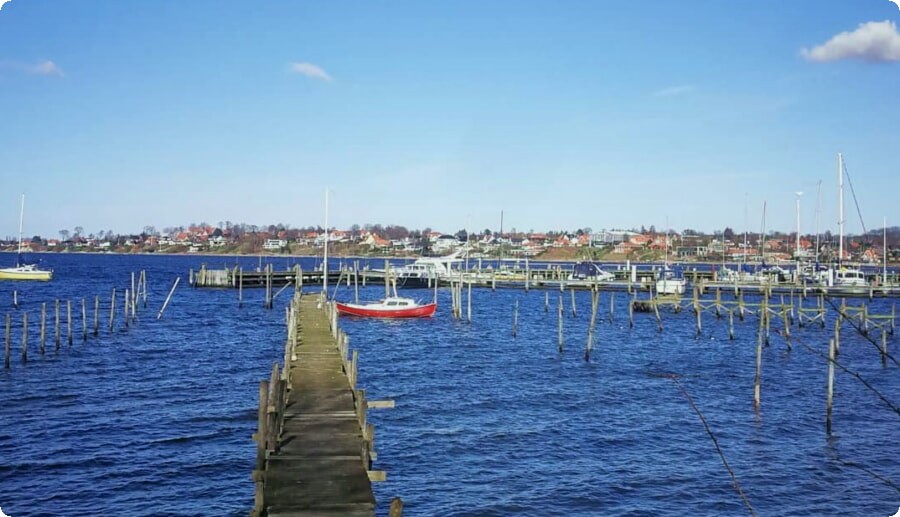
Roskilde is also geography you can feel. The town sits on a small peninsula that steps out into Roskilde Fjord, a sheltered branch of the Great Belt. From the shore, water looks domesticated - smooth, obedient - until wind curls it into tiny shoulders. Walk the path along the edge and you’ll collect small scenes: a teenager practicing with a drone, an older couple sharing slices of apple, a line of ducks negotiating right-of-way with joggers. By evening the horizon softens and the town folds in on itself like a book being closed for the night.
Aarhus
Aarhus is Denmark’s second city and often feels like the first for culture. It’s young in energy, old in stories. You sense it in the way students claim steps along the river, in the chatter on small bridges, in the tidy squares that suddenly host a jazz trio. Museums dot the map - including a modern art space where a rainbow walkway floats above the roof and turns the skyline into a color wheel 🖼️. The architecture is handsome without strutting. And the food? Casual and clever. You can stumble into a spot serving herring three ways and walk out swearing you’ve been converted.
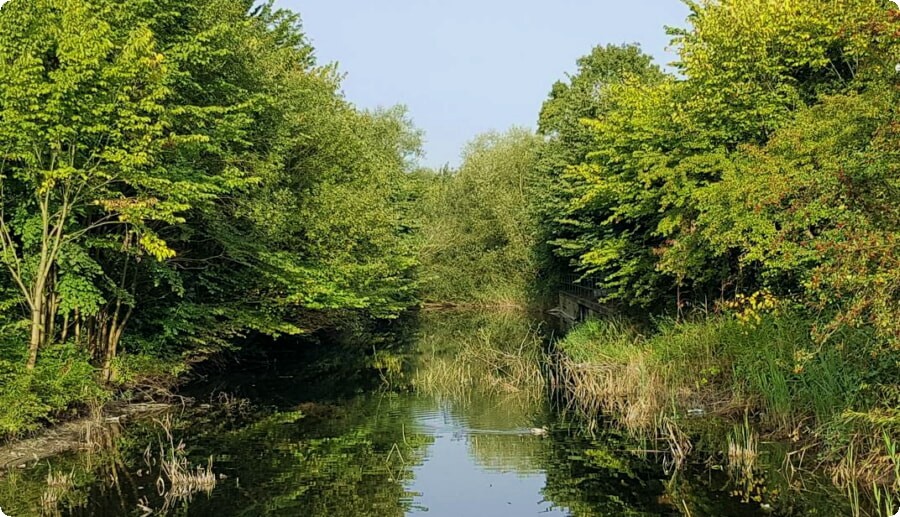
If getting off the beaten track sounds like you, make time for the Vestvolden Nature Reserve. It’s a short drive and an even shorter mental shift. Trails lace through meadows and old fortifications; birds flicker from reed to reed; the wind writes its own agenda. Bring a snack, or better yet, a simple picnic - bread that cracks, cheese that leans creamy, berries you’ll finish sooner than planned. The reserve folds quiet around you like a well-worn jacket.
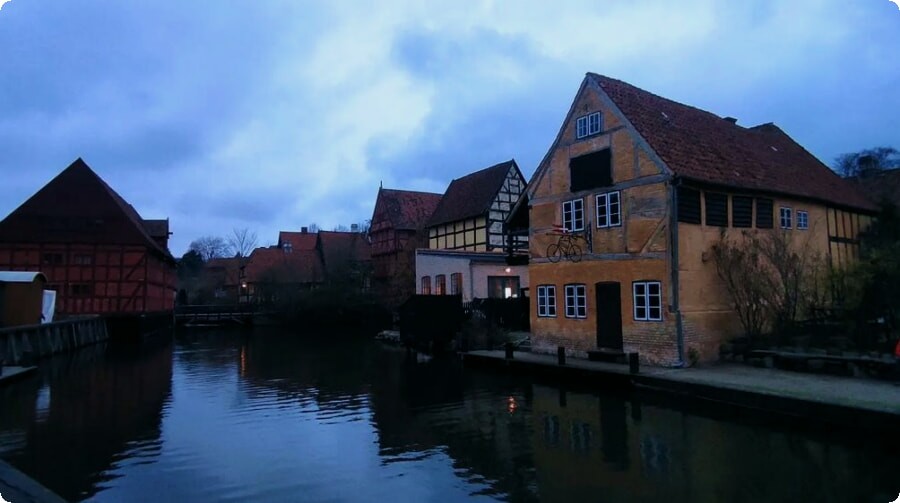
Back in town, you’ll find a tidy cluster of sights in the historic quarter. The open-air Old Town museum recreates workshops and homes that make history feel touchable. The cathedral, one of the city’s anchors, has an interior that breathes - whitewashed walls, a hush that gathers right behind your ribs. If you’re choosing a first wander, the Old Town area is a smart start: plenty of small shops, spots for a midday pastry, and those photogenic corners that look like film sets even on a Tuesday.
Need a practical hub? Then head for the City Hall Square area. It’s where errands turn into little adventures - buying a scarf becomes chatting with the owner about winter, picking out a postcard becomes debating which stamp is prettier. Shops sit next to restaurants that do lunch like it’s a friendly dare: can you really finish all those open-faced sandwiches? There are also handsome civic buildings that you simply can’t miss; they stand there, poised, like actors who know their lines and wait for the cue. For an official overview of services and events, peek at Aarhus city’s English page when you need opening hours or addresses.
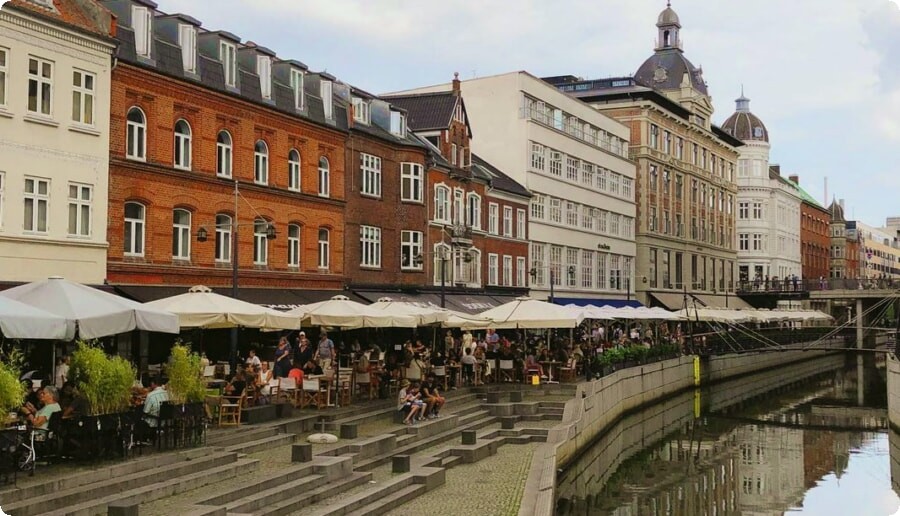
And because travel is more than lists, here’s how it often feels. Mornings are blue and clean; even in winter the light seems to scrub edges sharp. Around noon, a breeze off the water slides between buildings and you pull your collar up, just a little - not because you’re cold but because the wind asked. Afternoons carry a low hum of bikes and conversations. By evening you might be on a quayside bench with paper-wrapped fries and a view, or inside a candlelit room where the word hygge finally makes practical sense. After dinner you might stroll by the water and, if it’s late, notice the city taking small sips of quiet.
Denmark runs on a set of ordinary miracles: tap water you’d happily bottle, trains that show up when they promised, strangers who move their bag so you can sit. People are friendly and open-minded, not loudly so, just... steady. Ask for directions and you’ll get a full route plus a better coffee suggestion - sometimes an apology for the weather even when the sky looks fine. The pride Danes take in their country isn’t boastful; it’s like watching a craftsman sand a tabletop they built themselves. Polite, precise, and, when needed, playful 🚲.
Before you go, a few pocket-sized ideas. Take the ferry or a harbor bus at least once - the city looks different when you’re eye level with swans. Always carry an extra layer; the North Sea has opinions and shares them often. If a bakery queue looks long, trust it. Learn a couple of words: “tak” slides into a conversation like a pebble into a pocket, “skål” arrives with smiles. And remember that you don’t have to chase every landmark. Sometimes the best Denmark day is the small one - two museums, a park, a long lunch, a slow bike ride home where the evening air smells a bit like salt and a bit like cinnamon.
So, where to start? Copenhagen if you want the full sampler plate - canals, culture, Tivoli, the sense that the city is both busy and kind. Roskilde if you’re drawn to music and medieval brickwork in equal measure. Aarhus if you want galleries by breakfast and the sea by dinner. Add a detour to Viking ships, a cathedral or two, perhaps Vestvolden’s wind and wild grasses. Will you see everything? Of course not. But you’ll catch the rhythm - the way Denmark invites you to live well and a touch slower, to notice the texture of a day. That’s the real souvenir, right ?